Cultural perspectives shaping casino experiences worldwide
The Historical Context of Gambling
The history of gambling is as diverse as the cultures that embrace it, tracing back thousands of years. In ancient civilizations, such as China, gambling was intertwined with social and cultural rituals. The Chinese used games of chance as a form of entertainment and spiritual connection, reflecting their beliefs about luck and fate. Similarly, in ancient Rome, gambling was both a popular pastime and a method for engaging in politics, with leaders often betting on gladiatorial games to secure favor with the populace. Today, you can also find bitcoin sports betting sites that blend tradition with modern technology.
Different societies have their own narratives around gambling, which are often influenced by religious and ethical beliefs. For example, in many Western cultures, gambling has faced opposition from various religious groups, associating it with vice and moral decay. Conversely, in certain Native American tribes, gambling is viewed as a means of economic empowerment, with casinos established on tribal lands as a source of revenue and job creation. This historical context demonstrates how societal values shape the acceptance and form of gambling.
Understanding the historical perspective helps explain current gambling practices and cultural attitudes. In places where gambling has been embraced historically, such as Las Vegas in the United States, the casino experience is often extravagant and laden with entertainment options. In contrast, areas with a more conservative view may restrict gambling or limit it to specific forms, ultimately shaping the environments and experiences casinos offer their patrons.
Online Casinos vs. Brick-and-Mortar Venues
The rise of online casinos has transformed the gambling landscape, creating a dichotomy between traditional brick-and-mortar venues and their digital counterparts. Online casinos appeal to a broad audience, offering convenience and anonymity that physical locations often cannot match. Players can engage in gaming from the comfort of their homes, which has become especially popular during events like the COVID-19 pandemic. This shift has led to innovative gaming experiences, such as live dealer games, which aim to replicate the social atmosphere of physical casinos.
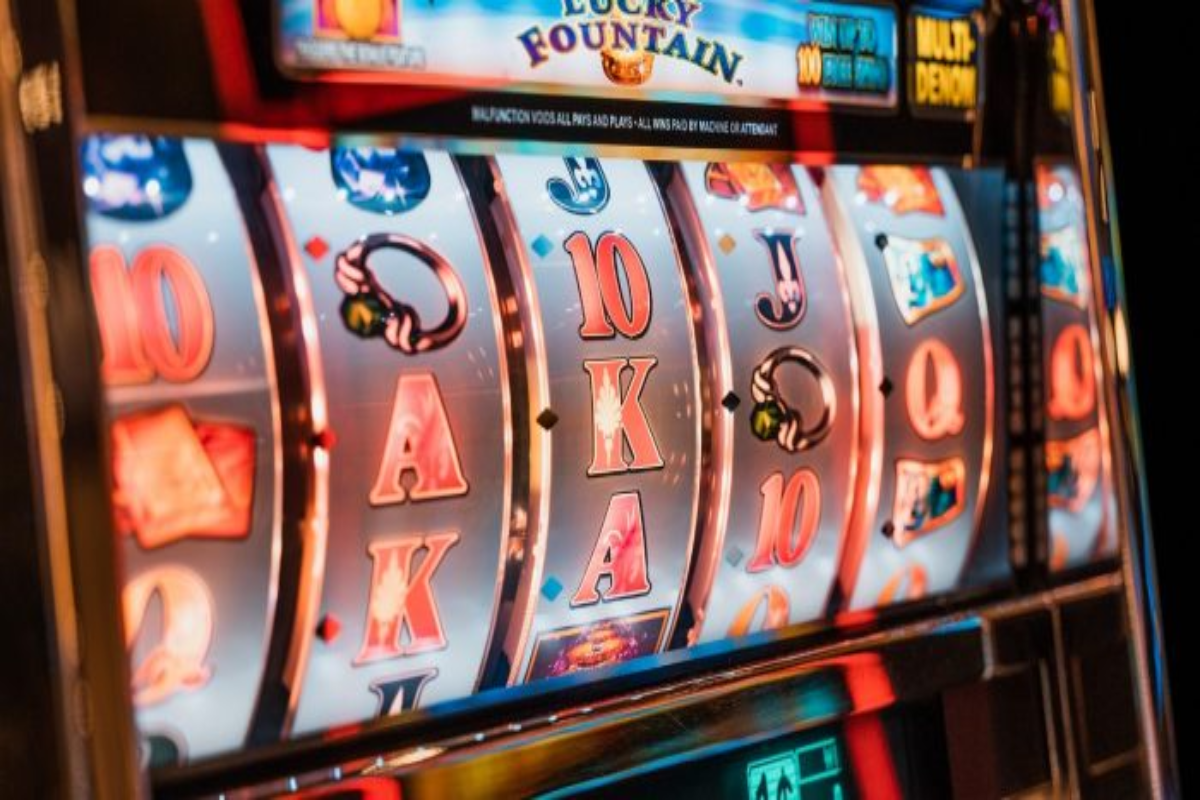
Conversely, brick-and-mortar casinos provide a sensory experience that online platforms struggle to replicate. The ambiance of a bustling casino, with its vibrant lights, sounds of slot machines, and the energy of fellow gamblers, creates a unique environment. Many players value these in-person interactions and the social aspect of gambling that online platforms sometimes lack. As a result, the cultural significance of gambling continues to vary between these two formats, with each attracting different demographics.
While online and physical casinos coexist, cultural perceptions significantly influence player preferences. In cultures where social interaction and community are highly valued, such as in Southern European countries, brick-and-mortar casinos thrive. In contrast, more individualistic cultures may lean towards online gaming for its privacy and flexibility. The interplay between these preferences continues to shape how casinos are designed, marketed, and experienced around the world.
Cultural Influences on Game Selection
The types of games that dominate a casino’s offerings can vary dramatically based on cultural preferences and social norms. For instance, in the United States, games like poker and slot machines have gained immense popularity, driven by both cultural influences and entertainment value. Slot machines, with their bright lights and easy gameplay, appeal to a wide audience, while poker has evolved into a competitive sport, accentuated by televised tournaments and celebrity endorsements.
In contrast, Asian cultures often embrace games with deep-rooted historical significance, such as Mah-jong and Sic Bo. These games are not only forms of entertainment but also social activities that foster community bonding. The popularity of games like baccarat in places like Macau reflects a cultural affinity for high-stakes gambling, where fortune is intertwined with luck and skill. This cultural lens shapes how casinos develop their offerings to cater to regional preferences and attitudes towards gambling.
Additionally, cultural narratives surrounding luck and chance can affect game design and player engagement. In cultures where luck is considered a major factor in success, such as in many Latin American societies, colorful, festive games that emphasize luck often dominate the landscape. Understanding these cultural nuances helps casinos create tailored experiences that resonate with diverse audiences, enhancing player satisfaction and engagement.
The Role of Regulation and Legislation
Regulation and legislation are crucial in shaping the casino landscape globally, affecting everything from operational practices to player experiences. Different countries have varied approaches to gambling laws, influenced by historical, social, and cultural contexts. For example, countries like Singapore have developed strict regulatory frameworks that govern casino operations, while still promoting tourism. This balance ensures that the local culture is respected while generating revenue and employment.
In contrast, some regions have taken a more relaxed approach to gambling legislation, allowing casinos to flourish with minimal oversight. Las Vegas exemplifies this strategy, where the local government actively promotes the gambling industry as a key economic driver. However, this lack of regulation can lead to social challenges, such as gambling addiction and crime, prompting the need for responsible gambling measures that many jurisdictions are now exploring.
The interplay between regulation and culture is fascinating; societies that prioritize individual freedom may offer more lenient gambling laws, while those that value community welfare may impose stricter regulations. This dichotomy reflects deeper cultural beliefs about the role of gambling in society. As more countries re-evaluate their laws in response to cultural shifts, casinos worldwide will continue to adapt and evolve, further defining their global identity.
Exploring the Future of Global Casino Culture
As technology advances and globalization reshapes cultural landscapes, the future of casino culture appears dynamic and fluid. Trends like virtual reality gambling and blockchain technology are beginning to emerge, potentially altering the way players experience casinos. These innovations could blend the boundaries between online and physical venues, creating hybrid experiences that cater to a broader range of preferences and cultural expectations.
Moreover, the ongoing dialogue about responsible gambling is reshaping the way casinos operate. As cultural attitudes shift towards more awareness of mental health and addiction, casinos are increasingly focusing on creating safer environments for their patrons. This shift in focus reflects a growing cultural sensitivity to the impacts of gambling, prompting casinos to incorporate educational initiatives and support systems for those who may struggle with gambling-related issues.
In this evolving landscape, cultural perspectives will continue to play a pivotal role in shaping the casino experience. As different regions embrace innovative technologies while remaining grounded in their cultural narratives, the global casino industry will likely find itself navigating a complex interplay between tradition and modernity. This adaptability will be essential for maintaining relevance and attracting new generations of players, ensuring that casino experiences remain culturally resonant worldwide.
Залишити відповідь